
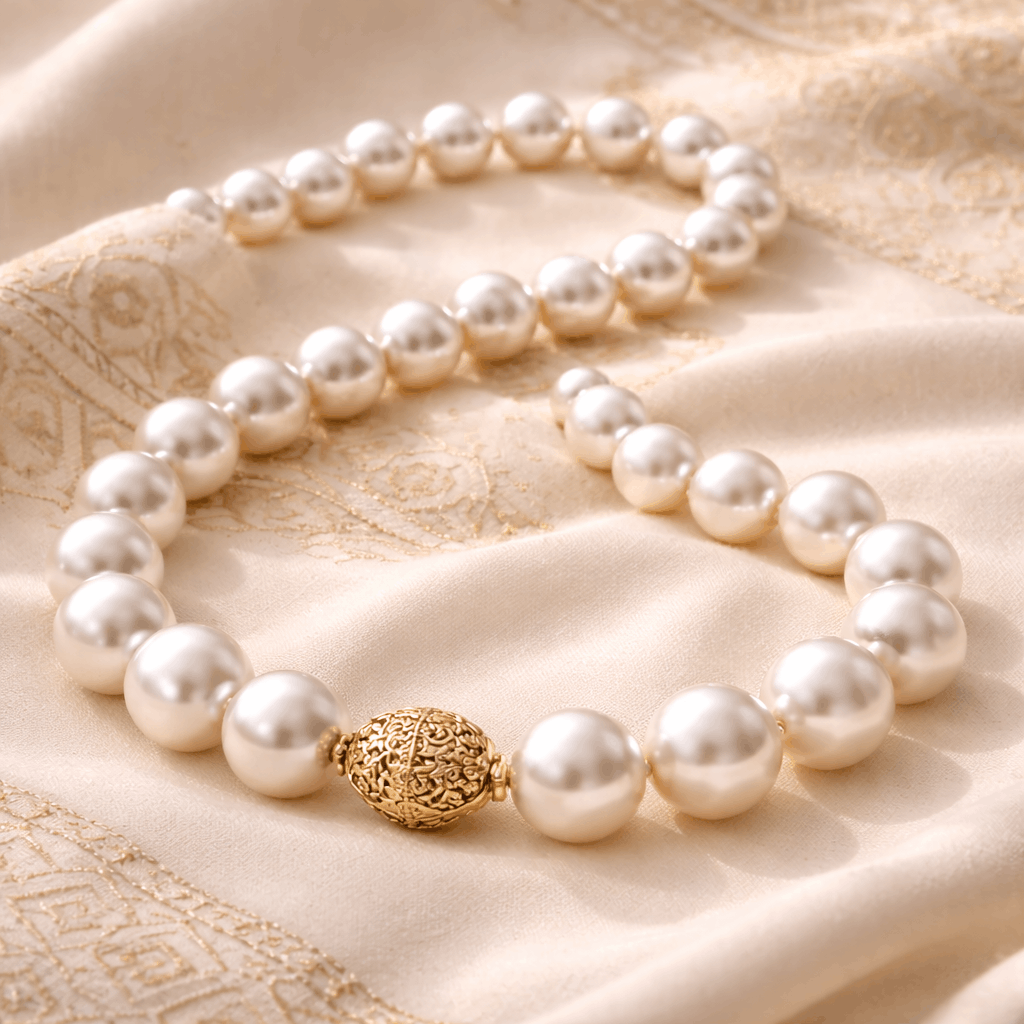
I was walking through the Kingdom Centre mall in Riyadh last month and literally every single jewelry store had pearl displays front and center. Not hidden in back corners. Not treated like grandmother’s old-fashioned jewelry. These were stunning contemporary pieces mixed with traditional Gulf designs that honestly took my breath away. A saleswoman at one boutique told me Saudi Arabia pearl jewelry demand has absolutely exploded since 2024. She said they can barely keep certain styles in stock because demand from young Saudi women has gone completely insane. That’s when I realized something major is happening with pearls in the Kingdom right now.
Here’s what makes the Saudi pearl market so unique though. It’s not just about following global fashion trends blindly. There’s this incredible blend of deep cultural heritage from the Arabian Gulf’s pearl diving history mixed with ultra-modern luxury aesthetics that Vision 2030 is bringing to the Kingdom. Young Saudi women want pieces that honor their grandmother’s traditions while still feeling contemporary and Instagram-worthy. So let’s dive into what’s actually trending in Saudi Arabia pearl jewelry scene right now and why this market is becoming one of the most exciting in the entire Middle East region.
Saudi Arabia Pearl Jewelry Heritage
The Arabian Gulf was literally the center of the global natural pearl trade for centuries before cultured pearls existed. Saudi Arabia’s Eastern Province cities like Dammam and Al-Khobar have deep historical connections to pearl diving that shaped the entire economy before oil was discovered. This isn’t just jewelry—it’s genuinely part of Saudi cultural identity and heritage going back generations.

Natural pearls from the Gulf were considered the finest in the world historically. Persian Gulf pearls had this incredible luster and quality that made them more valuable than pearls from anywhere else globally. Even though natural pearl diving largely disappeared after cultured pearls came along, that cultural reverence for pearls as symbols of beauty and status never went away in Saudi society.
Today’s Saudi Arabia pearl jewelry market connects directly to this heritage. Saudi women aren’t just buying pearls because they’re pretty. They’re choosing pieces that honor their grandmothers’ and great-grandmothers’ traditions while expressing their own modern identities. That emotional connection makes the market completely different from Western markets where pearls sometimes feel outdated or stuffy.
Current Saudi Arabia Pearl Jewelry Trends
Layered pearl necklaces are absolutely everywhere right now in Riyadh and Jeddah. Not your grandmother’s single strand. We’re talking multiple lengths worn together—maybe a choker, princess length and matinee all stacked. Young Saudi influencers are styling these with everything from abayas to Western designer clothes creating that high-low mix everyone loves.

Statement pearl earrings have replaced diamonds for many occasions surprisingly. Oversized baroque pearl drops. Asymmetric designs. Pearl chandelier earrings that move dramatically. These work gorgeously with traditional Saudi dress and modern outfits equally well. Plus they photograph incredibly for social media which matters enormously to the younger generation.
Mixed metal settings are huge right now too. Yellow gold remains popular for traditional pieces obviously. But rose gold with pearls is absolutely dominating the market for women under 35. White gold creates that contemporary luxury aesthetic. Many Saudi women are buying sets in all three metals to coordinate with different outfits and occasions throughout the week.
Popular Pearl Types in Saudi Arabia
South Sea pearls dominate the luxury segment completely. These large lustrous pearls—often 12mm and up—create that bold statement Saudi women love for special occasions. Golden South Sea pearls especially appeal to traditional tastes while still feeling modern and luxurious. South Sea pearl sets can cost tens of thousands of riyals but they’re seen as serious investments worth making.

Akoya pearls hit that sweet spot between quality and affordability. Japanese Akoyas offer that classic round shape and beautiful luster at more accessible price points. Perfect for daily wearing or first major pearl purchase. Many young Saudi professionals buy Akoya pearl sets for work settings where they want elegance without being too flashy.
Freshwater pearls are gaining acceptance rapidly among mid-market consumers. Modern freshwater quality has improved so dramatically that many buyers can’t tell the difference from Akoyas honestly. The price difference matters enormously though—you can get gorgeous freshwater pearl sets for fraction of saltwater prices. Perfect for building collections or trying different styles without huge financial commitment.
Bridal Pearl Jewelry in Saudi Arabia
Saudi weddings are absolutely massive elaborate affairs where jewelry plays crucial role. Brides traditionally wear extensive jewelry sets gifted by groom’s family. Saudi Arabia pearl jewelry wedding trends lean toward complete matching sets—necklace, earrings, bracelet, sometimes ring too. Everything coordinates perfectly because mismatched pieces would be noticed and commented on by literally hundreds of guests.

White pearls remain most popular for Saudi brides obviously. The purity symbolism aligns perfectly with bridal traditions. However, we’re seeing more champagne and golden pearls for pre-wedding celebrations like henna nights. These warmer tones photograph beautifully and feel slightly less formal than pure white.
Bridal pearl sets in Saudi market typically feature larger pearls than Western bridal jewelry. An 8-9mm set might seem substantial in America but Saudi brides often choose 10-12mm pearls for that bold presence. The scale matches elaborate wedding dresses and venue grandeur. Plus larger pearls show better in professional photography which will be displayed prominently in family homes forever.
Saudi Arabia Pearl Jewelry Shopping
Riyadh’s Kingdom Centre and Al Faisaliah Tower house incredible luxury jewelry boutiques. Mikimoto has strong presence. Cartier and Tiffany offer pearl collections. But local brands like Lazurde and Damas understand Saudi tastes better honestly. They create pieces specifically for Gulf markets that international brands sometimes miss with their global collections.

Jeddah’s Red Sea Mall and Mall of Arabia attract serious pearl shoppers. The city’s proximity to the coast gives it special connection to pearl heritage. Many families have generational relationships with specific jewelers who understand their taste and budget. That personal service matters enormously in Saudi luxury market.
Online shopping is growing but still secondary to in-person purchasing. Saudi women want to see and touch pearls before buying. They want that personal relationship with jeweler who can advise them honestly. However, younger generations are becoming more comfortable with online purchases especially from established brands with strong return policies and authentication guarantees.
Pearl Jewelry for Saudi Special Occasions
Eid celebrations drive enormous pearl jewelry sales twice yearly. Families exchange gifts. Women buy new pieces to wear for Eid prayers and celebrations. Saudi Arabia pearl jewelry Eid season trends lean toward complete sets rather than individual pieces. Giving a matched set shows thoughtfulness and generosity more than random separated items.

National Day on September 23rd has become major jewelry purchasing occasion. Saudi women wear green and white pearls or accessories to coordinate with national colors. Some jewelers create limited National Day collections. This patriotic jewelry trend didn’t exist ten years ago but now it’s absolutely huge especially among younger generations.
Ramadan gifting includes substantial pearl jewelry purchases. Families celebrate completing the fast with special gifts. The spiritual significance of Ramadan makes pearls—with their purity symbolism—particularly appropriate. Many Saudi women receive their first serious pearl jewelry during Ramadan celebrations as teenagers or young adults.
Investment Value Saudi Arabia Pearl Jewelry
Saudi consumers view high-quality Saudi Arabia pearl jewelry as genuine investment not just accessories. Gold content has inherent value obviously. But quality pearls themselves appreciate over time when properly cared for. Many Saudi families pass pearl sets through generations as heirlooms carrying both financial and sentimental value.

The Saudi market particularly values natural pearls despite their rarity and extreme cost. Families with generational wealth sometimes own natural Gulf pearls from before cultured pearls existed. These pieces are literally priceless from cultural heritage perspective regardless of market value. They connect directly to Saudi Arabia’s pearl diving history.
Cultured pearl investment focuses on South Sea and high-grade Akoya varieties. Saudi buyers understand quality grading. They know AAA luster matters. They check for minimal blemishes. This educated consumer base pushes jewelers to offer genuinely high-quality pieces rather than cheap imports that might work in less sophisticated markets.
Color Preferences and Trends
White pearls dominate for traditional and formal occasions obviously. The classic white pearl necklace works for weddings, Eid, formal dinners and conservative settings. This will never go out of style in Saudi market regardless of global trends.
Golden and champagne pearls are absolutely exploding right now though. These warmer tones coordinate beautifully with yellow gold settings popular in Gulf region. They feel luxurious and rich without being too bold or unconventional for traditional families. Perfect middle ground between classic white and more adventurous colors.
Black Tahitian pearls appeal to younger urban Saudis wanting contemporary edge. These work gorgeously with modern minimalist Saudi fashion. However, black pearls sometimes face resistance from older generations who prefer traditional lighter colors. This generational divide creates interesting market dynamics where young women buy black pearls for themselves rather than receiving them as family gifts.
Vision 2030 Impact on Jewelry Market
Saudi Arabia’s Vision 2030 transformation is reshaping the entire luxury market dramatically. Women’s economic participation is increasing. More Saudi women work in professional careers with substantial disposable income. They’re buying their own jewelry rather than only receiving gifts from family. This independence changes purchasing patterns completely.
Tourism growth brings international exposure to Saudi shoppers. Women traveling abroad see global trends. They bring those ideas back to Kingdom wanting local jewelers to create similar pieces. This cross-pollination between Saudi traditions and international fashion creates incredibly exciting hybrid styles unique to the region.
Entertainment and events expansion means more occasions requiring formal jewelry. Concerts, festivals, exhibitions—Saudi women need versatile jewelry collections for diverse situations. The market reflects this variety with pieces ranging from ultra-traditional to cutting-edge contemporary depending on occasion and personal style.
Pearl Jewelry Styling in Saudi Arabia
Abaya styling with pearls creates distinctly Saudi aesthetic. Delicate pearl earrings peek elegantly from beneath hijab. Layered necklaces add interest to simple black abaya. Pearl bracelets visible at wrists when gesturing. The contrast between modest covering and luxurious jewelry creates beautiful sophisticated balance.

Western fashion integration shows evolving Saudi style. Young women pair pearls with designer jeans and blazers. Statement pearl pieces with contemporary dresses. This mixing of traditional jewelry with modern fashion represents the new Saudi identity—rooted in heritage but confidently modern.
Layering techniques borrowed from global trends but adapted for Saudi sensibilities. Maybe more substantial gold content than Western minimalist versions. Larger pearls that read better in Saudi social contexts. The core trend gets filtered through Saudi cultural lens creating something familiar yet distinctly local.
Price Ranges and Market Segments
Entry-level freshwater sets start around 1,000-3,000 SAR. Perfect for young professionals or first major purchase. Quality varies enormously at this price point so buying from reputable jewelers matters. These pieces work beautifully for daily wearing or building initial collection.
Mid-range Akoya and lower-grade South Sea pieces run 5,000-15,000 SAR typically. This segment represents biggest market volume. Saudi middle class with good incomes want quality pearls without ultra-luxury pricing. Jewelers compete heavily in this bracket.
Luxury South Sea and natural pearl pieces can reach hundreds of thousands of riyals easily. High-net-worth Saudi families buy these as investments and status symbols. The top end of market remains incredibly strong regardless of economic fluctuations because wealth concentration in Kingdom supports luxury spending.
Authentication and Quality Concerns
Fake pearls flood lower-end markets unfortunately. Plastic coated beads sold as genuine. Treated or dyed pearls misrepresented as natural colors. Saudi consumers are becoming more educated about authentication but problems persist especially in smaller shops or markets.
Reputable jewelers provide certification for high-value pieces. GIA or similar laboratory grading for expensive South Sea sets. This documentation matters for insurance and resale. Smart buyers insist on proper certification rather than just trusting verbal claims from salespeople.
The Saudi market increasingly demands transparency about pearl origin and treatment. Chinese freshwater needs clear labeling. South Sea pearls should specify whether Australian or Indonesian. This transparency helps consumers make informed decisions and prevents misrepresentation that damages industry reputation overall.
Future of Saudi Arabia Pearl Jewelry
Customization is becoming huge trend. Saudi women want pieces designed specifically for them. Personal monograms. Custom lengths. Unique combinations of pearl types and metals. Jewelers offering bespoke services are gaining market share from mass-produced options.

Sustainable and ethical sourcing matters increasingly to younger Saudi consumers. They ask questions about pearl farming practices. They want assurance that pearls come from responsible sources. This consciousness mirrors global trends but feels particularly relevant in market with direct historical connection to natural pearls.
Digital integration will transform shopping experience. Virtual try-on technology. Online customization tools. Social media integration for sharing and discovering styles. However, the personal relationship between jeweler and client will remain crucial in Saudi market where trust and reputation matter enormously for luxury purchases.
