
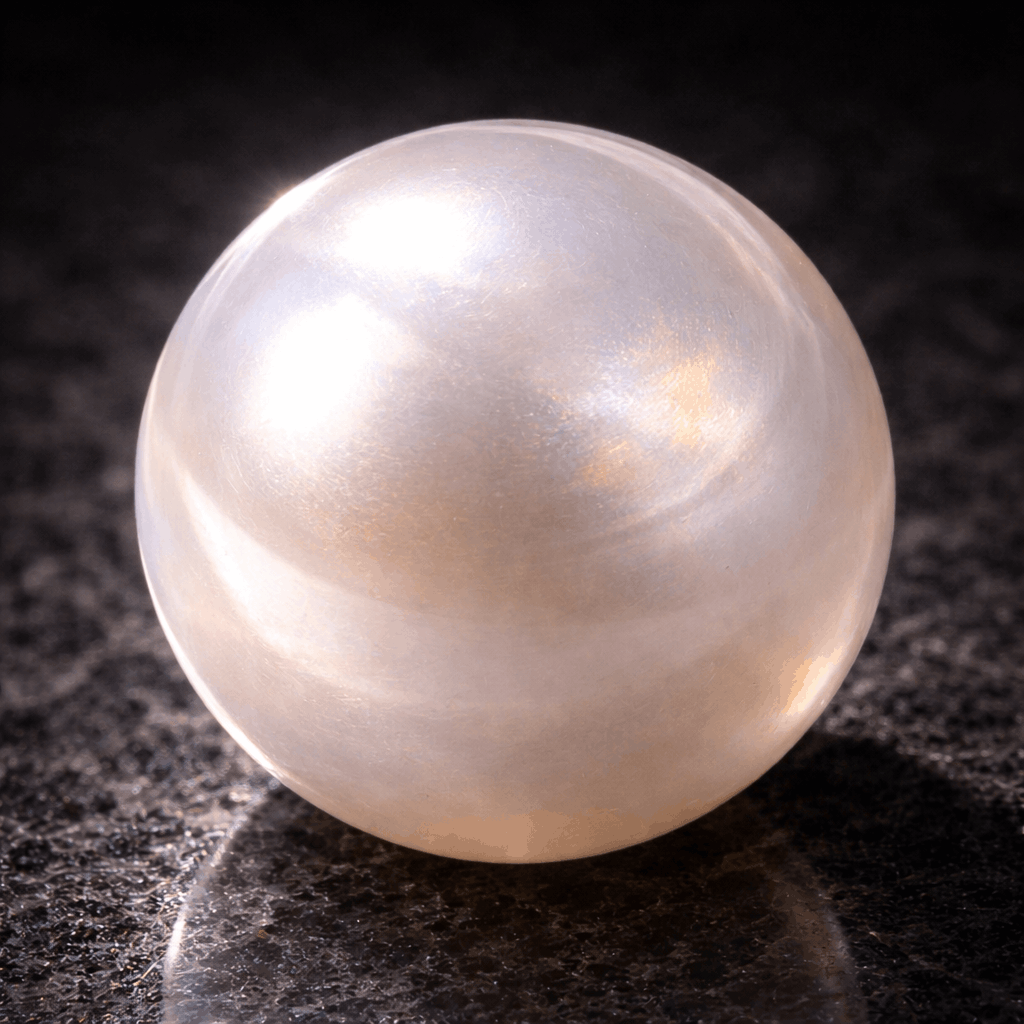
How much are pearls worth? It’s one of the most common questions first-time buyers ask — and honestly one of the most interesting to answer. The range is genuinely wild. A single loose pearl can be worth as little as CAD $1. Or as much as CAD $10,000+. A fine strand runs anywhere from CAD $50 to well over CAD $100,000 depending on type quality and origin. So the answer isn’t a single number — it’s a framework. And once you understand that framework buying pearls in Canada gets a whole lot simpler. Let’s break it all down.
Pearl Prices in Canada by Type
Pearl type is the single biggest driver of value. So it’s always the best starting point when figuring out how much are pearls worth. Freshwater pearls are the most accessible option. Loose pearls run roughly CAD $1 to $200+ each. Strands typically fall between CAD $50 and $2,000+. They’re widely available and modern freshwater quality has genuinely improved. High-grade varieties can look stunning. So for buyers on a realistic budget freshwater is where to start without compromising on beauty.

Akoya pearls step things up considerably. Known for sharp mirror-like luster and classic white appearance loose Akoyas run CAD $100 to $1,000+ each. Strands typically range from CAD $300 to $10,000+. Tahitian pearls come in at CAD $100 to $1,500+ per loose pearl and CAD $500 to $25,000+ per strand. Then at the very top sit South Sea pearls. The largest and rarest cultured pearls available. Loose South Sea pearls run CAD $1,000 to $10,000+ each. Strands can reach CAD $100,000+ for top-tier matched sets. So the spread across pearl types is enormous.
What Actually Determines How Much Pearls Are Worth
Beyond pearl type seven specific factors shape a pearl’s value according to the Gemological Institute of America. Luster comes first and it’s arguably the most important of all. High-quality pearls reflect light sharply — almost like a tiny mirror sitting inside the gem. Lower quality pearls look dull chalky or blurry by comparison. So luster is the fastest visual shortcut to assessing quality before you even think about price.
Size matters enormously too. Larger pearls are rarer take longer to grow and cost significantly more as a result. Prices jump noticeably for sizes above 7.5mm across most pearl types. Shape follows closely — perfectly round pearls represent less than 10% of any harvest. That’s exactly why they command premium prices. Baroque and off-round shapes cost less but have become genuinely fashionable in 2026. So they offer great value for style-conscious buyers right now.

Surface quality nacre thickness and color round out the remaining factors. Blemish-free surfaces are rare and priced accordingly. Thick nacre — especially in South Sea and Tahitian varieties — produces deeper luster and better long-term durability. Rare natural colors like golden South Sea or peacock Tahitian consistently fetch premium prices too. Demand simply outpaces supply for those specific tones. Finally for jewelry pieces matching quality adds significant value to the finished piece.
Natural Pearls vs Cultured Pearls: The Value Gap
This distinction genuinely matters when asking how much are pearls worth. The value gap between natural and cultured pearls is enormous. Natural pearls form entirely by accident in wild mollusks without any human involvement. They’re extraordinarily rare today. Most natural pearls you’d encounter now come through antique auctions or inherited collections. A single natural pearl can fetch hundreds of thousands of dollars depending on provenance and quality. So natural pearls exist in a completely different value universe from everyday retail jewelry.

Cultured pearls represent over 99% of the pearl market today. They form through the same natural biological process but with a farmer introducing the initial irritant to start nacre production. After that the mollusk does everything itself. The result is structurally and chemically identical to a natural pearl. So cultured pearls are genuinely real gems — not imitations. And they offer access to beautiful genuine jewelry at prices that make sense for real buyers.
How Pearl Grading Affects Price
Pearl grading directly impacts how much pearls are worth at retail. Understanding the system helps you shop smarter. Most retailers use an A to AAA scale for Akoya and freshwater pearls. A grade shows noticeable imperfections and average luster. AA grade offers moderate blemishes and good luster. AAA delivers high luster and a nearly flawless surface — the top commercial grade. Some retailers extend this to AAAA for South Sea and Tahitian varieties. Then there’s Hanadama — a laboratory-certified Akoya designation for the absolute highest luster and nacre quality available.

One practical thing to keep in mind: reputable retailers always state their grading system clearly. If a seller uses vague terms like “premium quality” without specifics that’s worth being cautious about. So always ask. A genuinely trustworthy pearl retailer welcomes that question without hesitation every time.
What Your Budget Gets You in Canada
Under CAD $200 you’re looking at beautiful freshwater pearl necklaces or bracelets baroque pearl earrings and single pearl pendants. Genuine real pearls at genuinely accessible prices. So entry-level doesn’t mean low quality — it means freshwater and excellent everyday wearability. Between CAD $200 and $1,000 the options expand meaningfully. Higher-grade freshwater strands entry-level Akoya pieces and smaller Tahitian earrings or pendants all sit comfortably in this range.

Between CAD $1,000 and $5,000 you’re into high-grade Akoya strands mid-size Tahitian or South Sea pendants and matched earring sets with exceptional luster. This is genuinely where the quality becomes heirloom-worthy. Above CAD $5,000 you reach fine South Sea and Tahitian strands custom matched jewelry and investment-grade pieces worth insuring properly. That top tier is where pearl jewelry becomes a genuine long-term asset.
Are Pearls a Good Investment in Canada
When people ask how much are pearls worth they sometimes mean this in the investment sense. Not just what they cost today but what they might be worth later. Honestly pearls aren’t like gold or diamonds in terms of pure liquidity. Their resale value ties closely to condition quality origin and market timing. So don’t buy pearls purely expecting quick financial returns.

That said high-quality pearls hold value well over time. Top-grade Akoya South Sea or natural varieties with proper documentation tend to appreciate especially in rare colors or exceptional grades. With good care pearls last generations. So think of quality pearl jewelry as a wearable legacy — something genuinely beautiful that retains real worth across decades rather than depreciating the moment it leaves the store.
Smart Tips for Buying Pearls Worth the Price in Canada
Buying directly from pearl specialists almost always gets you better value than general jewelry retailers. Specialists source more carefully grade more transparently and price more fairly. Pearls are their core focus rather than one product category among dozens. So starting at a dedicated retailer like PearlsOnly Canada immediately puts you in a better position than shopping at a general jeweler.

Beyond that always ask about origin and grading. Japan for Akoya. Australia for South Sea. French Polynesia for Tahitian. Provenance matters and trustworthy retailers provide it willingly. For investment-level purchases ask for authentication certificates from independent labs. And don’t overlook slightly lower grades — sometimes an AA pearl offers 90% of the visual beauty of an AAA piece at significantly less cost. That value gap is genuinely worth exploring before automatically buying the highest grade available.
How Much Are Pearls Worth: Quick Answer by Budget
To wrap it up simply — real pearls in Canada start around CAD $50 for entry-level freshwater strands. They reach CAD $100,000+ for top-tier South Sea matched sets. Most buyers find their sweet spot between CAD $150 and $5,000. That’s where genuinely beautiful cultured pearls are completely accessible without breaking the budget. The key is knowing which pearl type suits your budget understanding the seven value factors and buying from a retailer who grades and prices transparently. Do those three things and you’ll get far more pearl for your money than most buyers ever realize is possible.
